Your Source for Dry Ice Solutions

Jonathan Dean

Jonathan Dean

Recent Posts

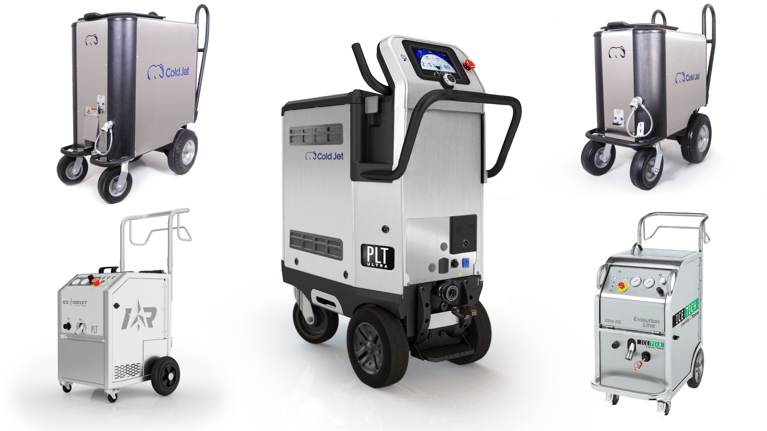
Premium or Budget Dry Ice Blasters for Manufacturers: Which is Best?

Posted by Jonathan Dean on Jul 24, 2026 2:10:59 PM

While premium dry ice blasters are well suited for industrial cleaning and product finishing tasks, should manufacturers choose budget blasters to save money?

Quick Answer: While budget dry ice blasters offer lower upfront sticker prices ($2,000–$15,000), premium dry ice blasters deliver a substantially higher long-term ROI for manufacturers, including a longer service life, higher blasting efficiency, industry-leading customer service, spare parts availability, smart features, and ultra-precise dry ice particle control that protects delicate substrates.

Read More

Comparisons, Manufacturing, Dry Ice Blasters

Why Dry Compressed Air is Critical for Dry Ice Blasting

Posted by Jonathan Dean on Jul 16, 2026 12:42:22 PM


Why is Dry, Cool Air So Important for Dry Ice Blasting?

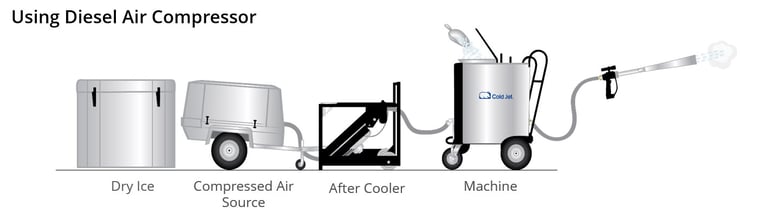
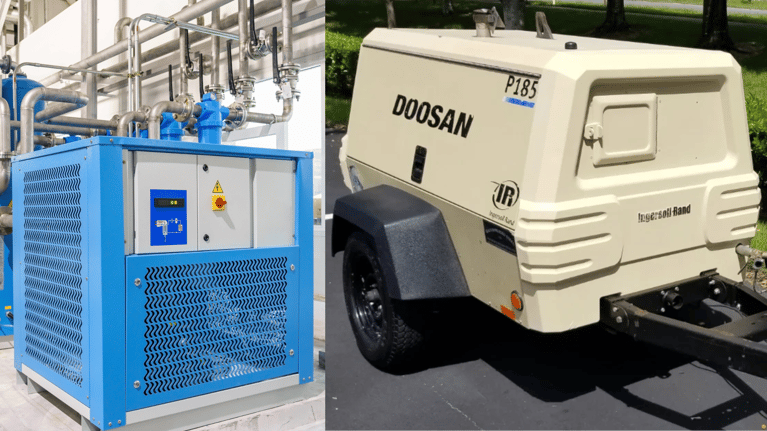
The Quick Answer: Dry ice blasting requires compressed air that is both dry and cool. Moisture freezes the instant it contacts the -109°F (-78.5°C) pellets, fusing them into clumps that clog the feed line and nozzle — and any moisture that gets through can redeposit water on the surface you just cleaned, defeating the dry, residue-free benefit of the process. Heat compounds the problem: air from an uncooled diesel compressor sublimates pellets before they reach the surface, robbing the blast of cleaning power. When using a diesel air compressor, running compressed air through an aftercooler removes most of the water vapor and lowers the air temperature, protecting both pellet integrity and uptime.

Read More

Dry Ice Blasting Basics

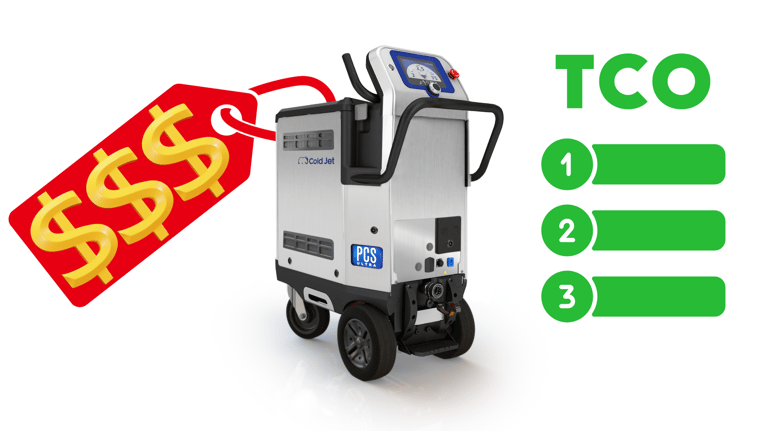
Are Cold Jet Dry Ice Blasters Worth the Cost?

Posted by Jonathan Dean on Jul 16, 2026 9:02:31 AM

Are Cold Jet Dry Ice Blasters Worth the Higher Price Over Competitors?

Quick Answer:

Yes—for the right operation, Cold Jet dry ice blasters are worth the higher price. Cold Jet dry ice blasting machines cost more upfront than budget models, ranging from $17,950 for analog units to $54,950 for smart, IoT-enabled systems. However, Cold Jet dry ice blasters typically deliver a full return on investment within the first year, backed by an engineered service life of 10+ years that far outlasts budget alternatives.

Read More

Cold Jet products, Dry Ice Blasters

The Comprehensive Guide to Compressed Air for Dry Ice Blasting

Posted by Jonathan Dean on Jun 30, 2026 8:51:24 AM

Learn everything you need to know about using compressed air for dry ice blasting, including mobile air compressors, aftercoolers, CFM, PSI, and more!


Key Takeaways:

Top-tier dry ice blaster performance depends on a steady supply of compressed air that is filtered, dry, and cool, delivered at the CFM and PSI levels recommended for your machine and nozzle. This air can come from either a facility air line or an industrial air compressor.

Read More

Dry Ice Blasting Basics, Compressed Air

How Dry Ice Improves Meat Processing and Transportation

Posted by Jonathan Dean on Jun 26, 2026 10:33:53 AM

Implementing dry ice as a cooling medium into your meat product processing routine and subsequent transportation can prevent spoilage and save money.


Key Takeaways:

Implementing dry ice as a cooling medium in meat processing and transportation mitigates microbial risks, eliminates friction heat spikes, and reduces logistics overhead. While commercial operations across beef, pork, poultry, and fish sectors face strict critical control points (CCPs), replacing melting water ice with sublimating dry ice removes moisture-driven spoilage and lowers shipping weights throughout the cold chain.

Read More

Dry Ice Production, Food Shipping, Meat Processing

How Dry Ice Blasting Works: The Science Behind the Process

Posted by Jonathan Dean on Jun 24, 2026 10:49:25 AM

How does dry ice blasting work?

The Quick Answer: Dry ice blasting is a non-abrasive industrial cleaning method that uses three processes that work in tandem with each other to remove contaminants without causing damage or leaving secondary waste behind: kinetic impact, thermal shock and embrittlement, and rapid 800x volumetric gas expansion. Each process happens simultaneously and within milliseconds, quickly removing unwanted substances from surfaces.

Read More

Dry Ice Blasting Basics

Dry Ice Blasting vs. Pressure Washing: A Complete Comparison

Posted by Jonathan Dean on Jun 17, 2026 8:00:04 AM

Which Method Better Removes Contaminants: Dry Ice Blasting or Pressure Washing?

Key Takeaways:

Dry ice blasting and pressure washing both use high-velocity kinetic impact to strip contaminants from a surface, and both work across a wide range of substrates. The decisive difference is what happens around the cleaning: pressure washing generates contaminated wastewater that must be contained and disposed of, and it leaves surfaces wet enough to need hours of drying before equipment can run again. Dry ice blasting produces no secondary waste as the dry ice sublimates into gas on impact, so equipment can be cleaned in place and returned to service almost immediately.

Read More

Benefits of dry ice blasting, Comparisons, Pressure Washing

Dry Ice Blasting vs. Sandblasting: A Complete Comparison

Posted by Jonathan Dean on Jun 3, 2026 8:00:00 AM

What is Better for Removing Contaminants: Dry Ice Blasting or Sandblasting?

Key Takeaways:

Among the most popular industrial cleaning methods available, dry ice blasting and sandblasting are very different in their respective mechanisms for cleaning contaminants from surfaces. Dry ice blasting uses the three-step process of kinetic impact, thermal embrittlement, and rapid gas expansion to separate contaminants from substrates.

Sandblasting, on the other hand, uses pure kinetic impact with a grinding effect to scrape contaminants away. While sandblasting has long been a method for industrial cleaning, it is very messy and time-consuming, whereas dry ice blasting is quick and efficient.

Read More

Benefits of dry ice blasting, Comparisons, Sandblasting

Dry Ice Blasting vs. Soda Blasting: A Complete Comparison

Posted by Jonathan Dean on May 20, 2026 8:00:03 AM

Which Method Provides the Stronger Clean— Dry Ice Blasting or Soda Blasting?


Key Takeaways:

Dry ice blasting is a popular choice because of its ability to clean effectively in a non-abrasive way, produces no secondary waste, can clean equipment in-place, and is suitable for many applications. Soda blasting has also remained a popular option in industrial cleaning, but produces toxic waste, has limited applications, and still requires shutdown and disassembly of equipment for cleaning.

Curious as to how dry ice blasting and soda blasting compare head-to-head? See our analysis below.

Read More

Benefits of dry ice blasting, Comparisons, Soda Blasting

Automated Dry Ice Blasting: Streamline Cleaning and Part Finishing

Posted by Jonathan Dean on May 6, 2026 8:00:01 AM

Improve efficiency and increase production with robotically assisted dry ice blasting automation

The idea of automating repetitive processes has a long history of improving efficiency, reducing downtime, and reducing the labor required to achieve a higher rate of continuous production. Introducing automation into dry ice blasting takes a critical step forward in streamlining an organization’s ability to clean and prepare surfaces as well as part finishing in manufacturing.

Read More

Dry Ice Production, Aero2 Series, Dry Ice Machine, Automation, Integrated Blasting Solutions

About Cold Jet

The global leader in developing environmentally responsible dry ice blasting and dry ice production equipment.

Subscribe Here!

Featured posts