.png) English
English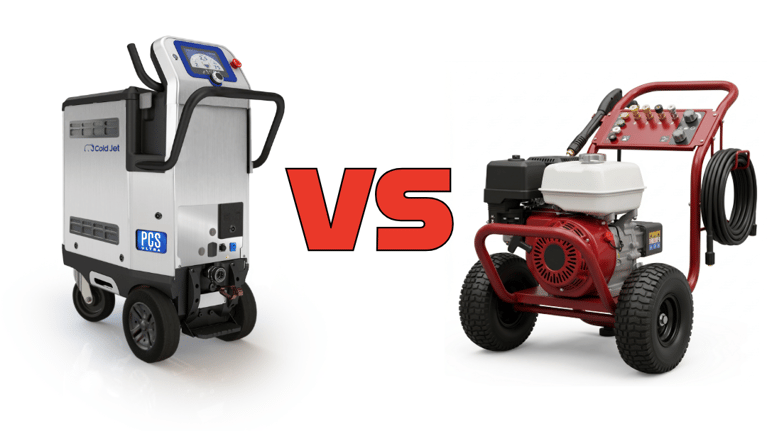
What is Better for Removing Contaminants: Dry Ice Blasting or Sandblasting?
Key Takeaways:
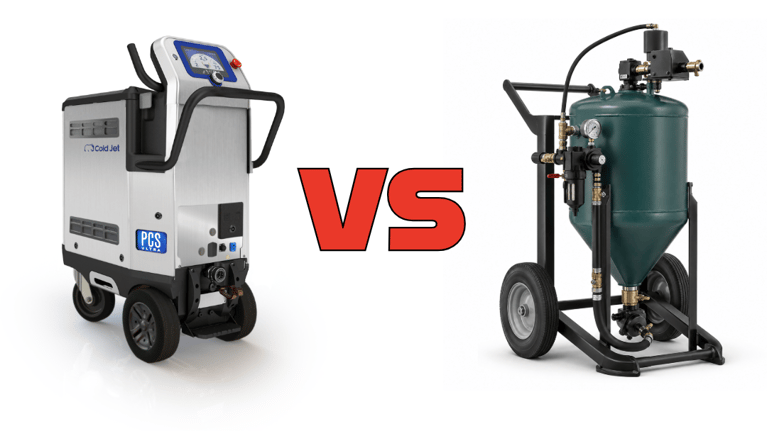
Among the most popular industrial cleaning methods available, dry ice blasting and sandblasting are very different in their respective mechanisms for cleaning contaminants from surfaces. Dry ice blasting uses the three-step process of kinetic impact, thermal embrittlement, and rapid gas expansion to separate contaminants from substrates.
Sandblasting, on the other hand, uses pure kinetic impact with a grinding effect to scrape contaminants away. While sandblasting has long been a method for industrial cleaning, it is very messy and time-consuming, whereas dry ice blasting is quick and efficient.
0 Comments Click here to read/write comments
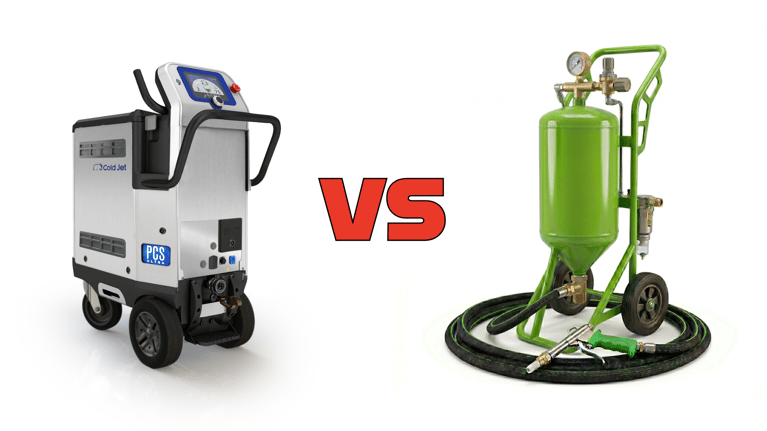
Which Method Provides the Stronger Clean— Dry Ice Blasting or Soda Blasting?
Key Takeaways:
Dry ice blasting is a popular choice because of its ability to clean effectively in a non-abrasive way, produces no secondary waste, can clean equipment in-place, and is suitable for many applications. Soda blasting has also remained a popular option in industrial cleaning, but produces toxic waste, has limited applications, and still requires shutdown and disassembly of equipment for cleaning.
Curious as to how dry ice blasting and soda blasting compare head-to-head? See our analysis below.
0 Comments Click here to read/write comments
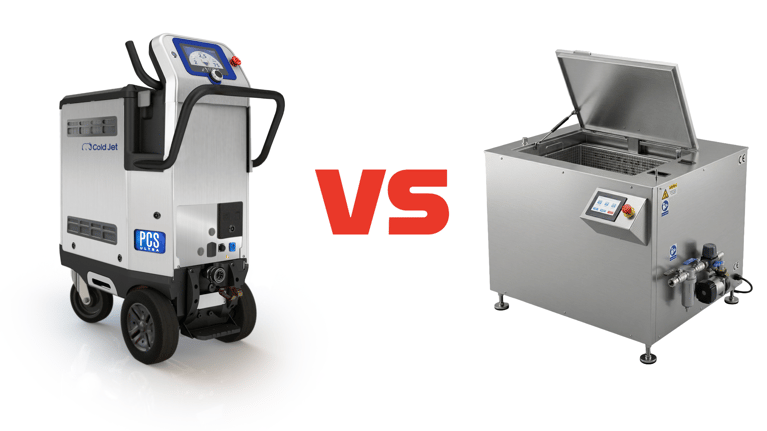
Dry Ice or Soundwaves — Which Cleans Better?
Quick Answer: Is dry ice blasting better than ultrasonic cleaning?
For most industrial cleaning applications, dry ice blasting is the more versatile and practical choice. Dry ice blasting can clean large machinery in-place without shutdown, disassembly, or moisture while producing zero secondary waste. Ultrasonic cleaning is effective for small, removable parts that can be fully submerged, but it cannot clean live electronics, porous materials, or anything too large to fit inside a tank. If portability, minimal downtime, and a dry, non-conductive process are critical factors, dry ice blasting is the stronger choice.
0 Comments Click here to read/write comments
Benefits of dry ice blasting, Comparisons, Ultrasonic cleaning
Dry Ice Blasting Breaks the Strongest Adhesive Bonds
Key Takeaways:
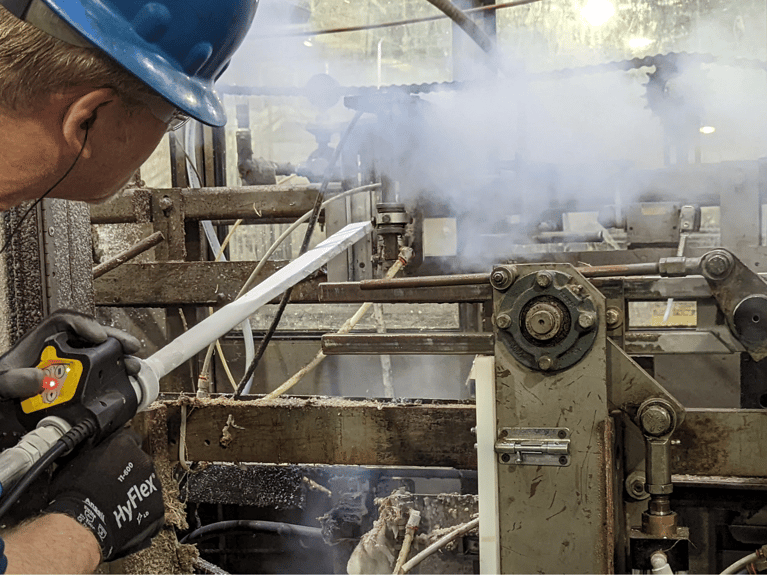
Dry ice blasting removes industrial adhesives using kinetic impact, thermal shock (-109.3°F or -78.5°C) and gas expansion (800x). Unlike scraping or solvents, it is non-abrasive, leaves no secondary waste, and allows for in-place cleaning without machinery disassembly.
0 Comments Click here to read/write comments
Injection mold cleaning, Food and Beverage, Benefits of dry ice blasting, Printing, Adhesive Removal, Manufacturing
Dry Ice Blasting: Cleaner Molds. Less Downtime.
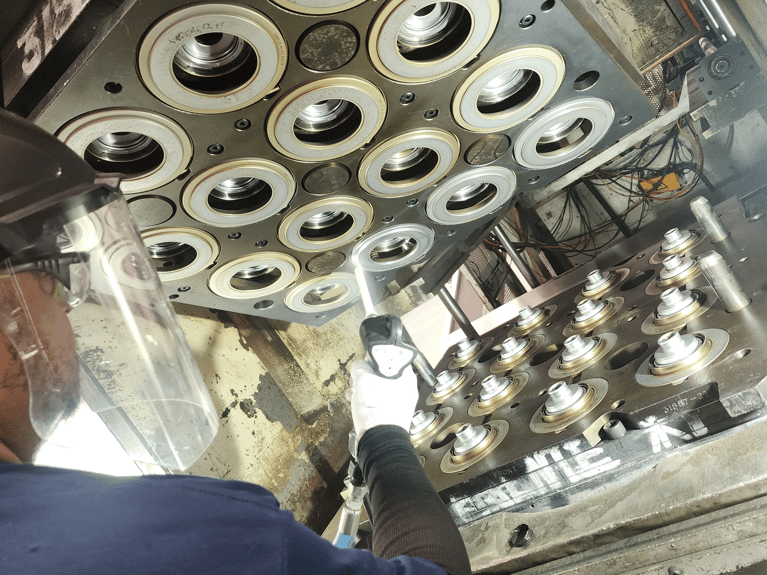
Dry ice blasting cleans injection molds faster, safer, and with less downtime than traditional methods — here's how it works and why it's the preferred choice for plastic and rubber manufacturers.
In the plastics and rubber industries, product rejection and poor part quality are detrimental to manufacturers. In injection molding, there is no margin for error. Every part must come out perfect, with tolerances measured in thousandths of an inch.
A dirty injection mold is the usual suspect when quality falls, causing issues that range from warped products to texture imperfections. No matter how small the defect is, it can potentially affect thousands of units, increasing scrap and costs when trying to meet production quotas.
0 Comments Click here to read/write comments
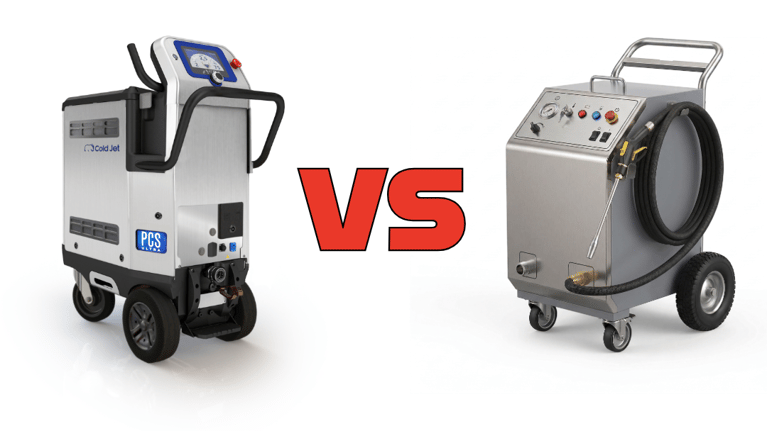
Buying an inexpensive dry ice blasting machine is tempting, but you will not get the value you would with a high-quality Cold Jet blaster.
Ever since Cold Jet pioneered the modern dry ice blasting machine back in the late 1980s, there has been a multitude of cheaper versions that have captured the attention of contractors, facility managers, and business owners alike. However, just like anything in this world, you get what you pay for. More premium dry ice blasters like those from Cold Jet deliver a superior cleaning experience while budget dry ice blasting systems will often offer a subpar experience.
0 Comments Click here to read/write comments
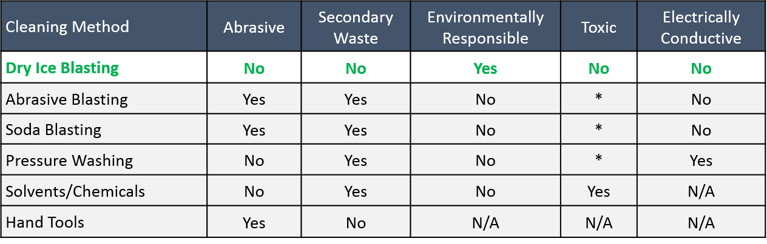
How does dry ice blasting compare to other cleaning methods?
When comparing dry ice blasting to other cleaning methods, such as abrasive blasting (sand, bead, etc), soda blasting, pressure washing, chemical solvent washing and manual hand tools, it is important to ask the following questions of each:
- Is it abrasive?
- Does it create secondary waste?
- Is it environmentally responsible?
- Is it toxic?
- Is it electrically conductive?
The attributes of each cleaning method not only affect the cleaning result, but they also dramatically affect the surface area that is being cleaned, the surrounding area and also the safety of the person performing the cleaning.
0 Comments Click here to read/write comments
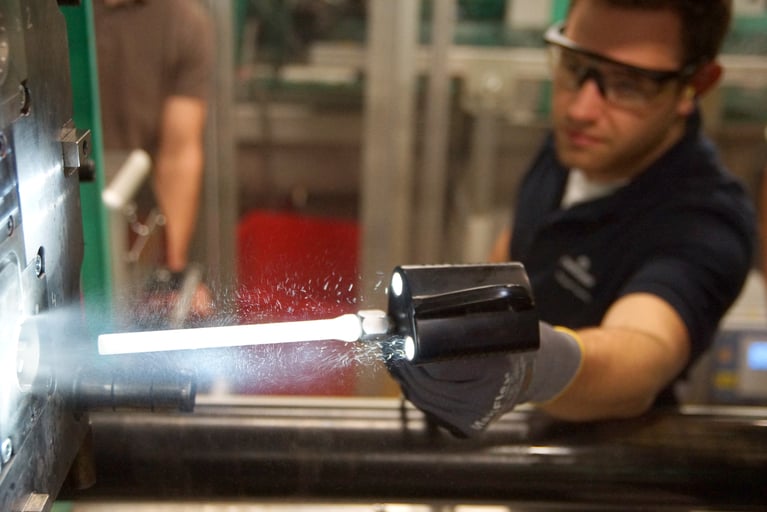
10 Reasons Why You Should Use Dry Ice Blasting
Tired of harsh chemicals, abrasive media, and endless scrubbing to tackle tough cleaning jobs? Dry ice blasting is a cleaning method gaining traction across industries, offering a powerful yet surprisingly gentle solution. This technique uses recycled solid carbon dioxide to remove dirt, coatings, and contaminants. It leaves a clean surface without creating extra waste or causing damage like traditional cleaning methods. Intrigued? Get ready as we explore the top 10 reasons why dry ice blasting could change your cleaning process for the better.
0 Comments Click here to read/write comments
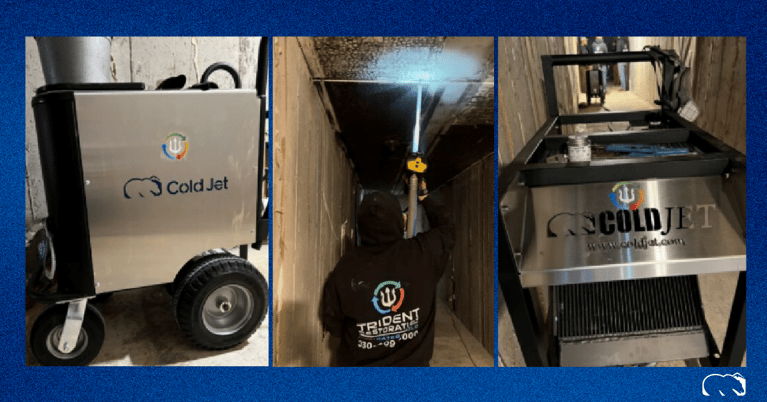
Trident Restoration is a full-service restoration company that offers 24/7 Emergency Services for water, fire, mold, and storm damage. They are one of the many companies that use Cold Jet dry ice blasting technology to complete their jobs. They have used the Aero® 40FP, one of our dry ice blasting machines, for over 8 years, and plan to grow their inventory with some new machines when they expand! See below for a Q&A with the Vice President of Trident Restoration, Eric Long.
0 Comments Click here to read/write comments
Benefits of dry ice blasting, Dry Ice Blasting Basics, Contract Cleaning
