.png) English
English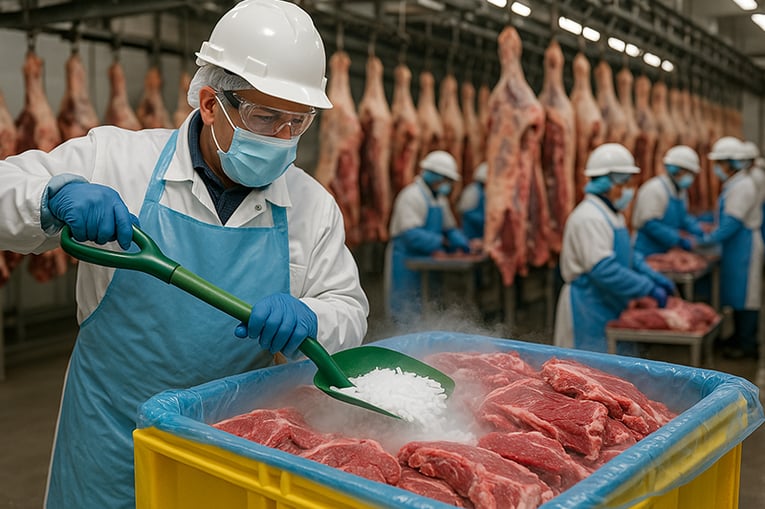
Implementing dry ice as a cooling medium into your meat product processing routine and subsequent transportation can prevent spoilage and save money.
Key Takeaways:
Implementing dry ice as a cooling medium in meat processing and transportation mitigates microbial risks, eliminates friction heat spikes, and reduces logistics overhead. While commercial operations across beef, pork, poultry, and fish sectors face strict critical control points (CCPs), replacing melting water ice with sublimating dry ice removes moisture-driven spoilage and lowers shipping weights throughout the cold chain.
Meat processors that handle beef, poultry, and fish need a way to effectively process, package, and transport their products across multiple markets without losing inventory to temperature excursions.
The Universal Challenge: Temperature Control of Meat Products
The number one concern of meat processors is keeping the product cold during all necessary processing, packaging, and transit. In food processing, there are critical control points (CCPs) stipulated by the Hazard Analysis and Critical Control Point (HACCP) system that need to be met during the processing, packaging, and transportation phases of a meat product’s journey to the customer. These CCPs determine what steps are necessary to prevent unsafe conditions for food being processed and transported for later consumption.
For meat processing and transport, the CCPs revolve around maintaining an optimal temperature below 39.2°F (4°C) to prevent microbial growth and other health risk issues. According to regulatory food safety guidelines from the FDA and USDA, allowing meat temperatures to exceed this critical threshold lands the product in the "Danger Zone" (40°F to 140°F), where harmful pathogens can begin replicating. Under optimal warm conditions, certain bacteria can enter a logarithmic growth phase, doubling their population in as little as 20 minutes.
Though precise metrics vary by meat type, average CCP temperatures break down into the following categories:
- Fresh meat must remain between 32°F (0°C) and 39.2°F (4°C)
- Packaged meat (vacuum-sealed) must remain between 30.2°F (-1°C) and 35.6°F (2°C)
- Frozen meat must remain 0°F (-18°C) or below
If cooling mediums fail and the meat temperature rises too high, severe food safety risks may occur that are detrimental to the product, including:
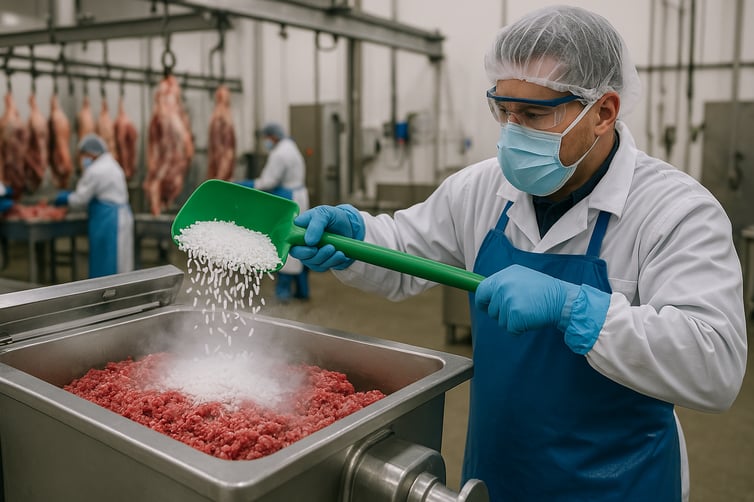
- Hot Spots: Pockets of heat can develop during normal meat processing activity such as meat grinding and mixing due to mechanical friction, which creates an ideal breeding environment for harmful microorganisms. Additionally, packaging meat products too tightly within transport containers can severely limit cold air circulation
- Microbial Growth: If meat products become too warm, dangerous bacterial growth can quickly accumulate, creating massive health risks from microbes like E. coli, Listeria, and Salmonella.
The Bottom Line: Heat becomes a major food safety threat that can ruin entire batches of processed meat. Keeping the meat cold throughout the entire cold chain, whether through the processing phase or in transit, is paramount to preserving meat product integrity before consumption.
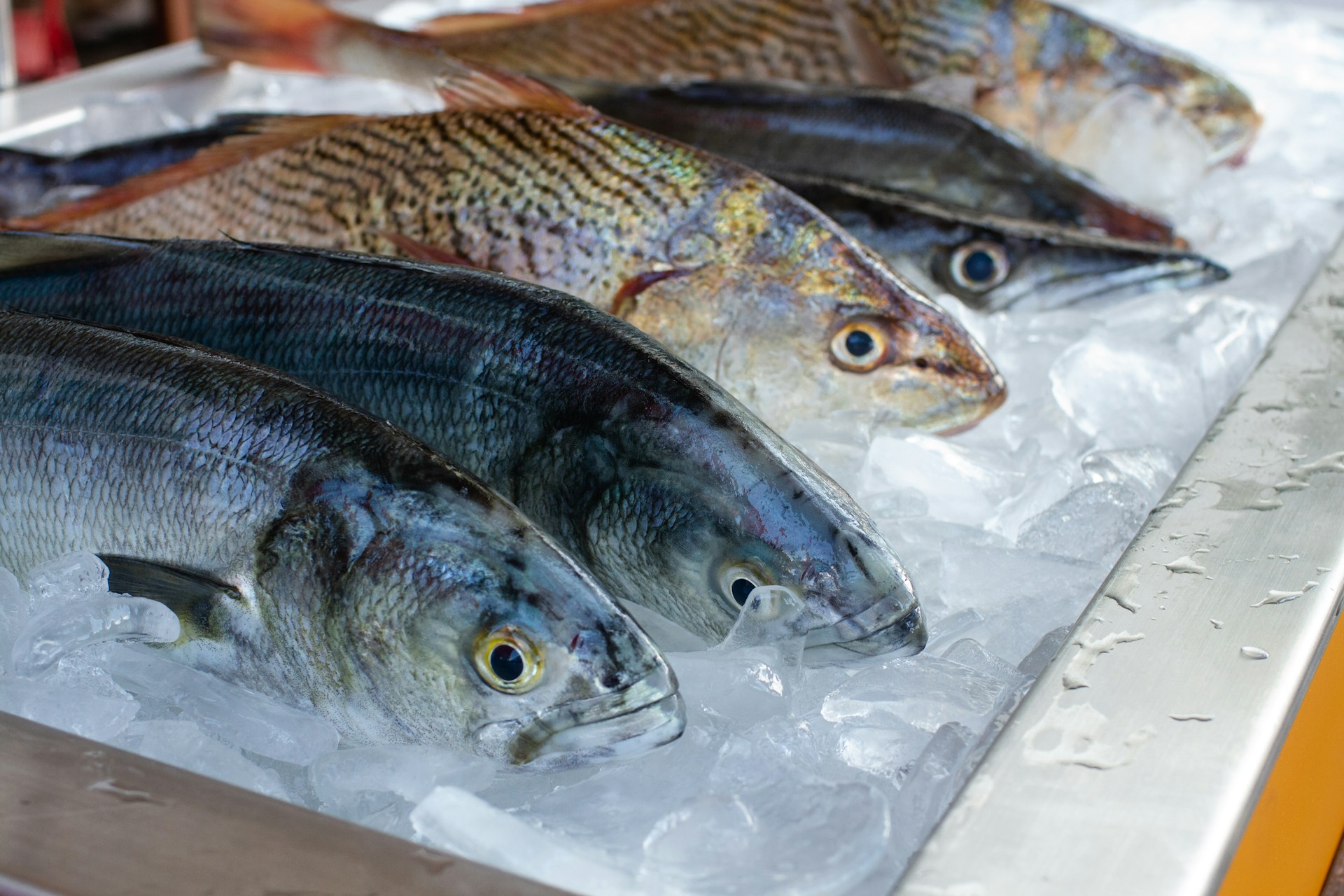
Photo by camila igisk on Unsplash
Why Does Water Ice Fail in Meat Processing and Cold Chain Logistics?
To mitigate hot spots and prevent dangerous bacterial growth, meat processors have long turned to adding water ice to control rising temperatures. However, water ice introduces a new element that bacteria and pathogens thrive in: moisture and dampness. Over time, water ice melts into liquid water, which creates a favorable environment for unhealthy microbe growth.
Using water ice in meat processing and transportation presents several problems:
- Aids in bacterial growth and pathogen proliferation: Melted ice creates a liquid leachate, a slurry mix of water and organic material. Under federal food safety frameworks, this runoff is recognized as a primary vector for Listeria monocytogenes biofilm formation on stainless steel surfaces.
- Cross-contamination risks: Liquid water can harbor microbes, and as that water sloshes around, it can contaminate other adjacent meat products or within the same container. Additionally, any leaks in containers with contaminated water can drip or spill onto others and cause further contamination.
- Increases transportation container weight: Water is heavy whether in solid (ice) or liquid form. This extra weight can inflate shipment weight and associated freight costs.
- Water absorption: If meat products become partially or fully submerged in water, the tissues themselves can absorb the water, which can dilute the water-soluble proteins that affect taste and texture. This degradation can make the meat unsellable.
- Equipment corrosion and hygiene concerns: Moisture from liquid water can take a heavy toll on meat processing equipment, causing corrosion that must be removed before resuming production. Additionally, ice making machines are notorious bacterial and pathogen growth environments that can introduce microbes to meat products if not properly cleaned and sanitized.
- Leaking water can cause slip and fall hazards: Any water that spills or leaks out of containers can create slick, slippery surfaces in work environments, loading docks, and transportation truck floors that can lead to fall injuries for personnel.
How Dry Ice Solves Temperature Spikes and Prevents Bacterial Growth
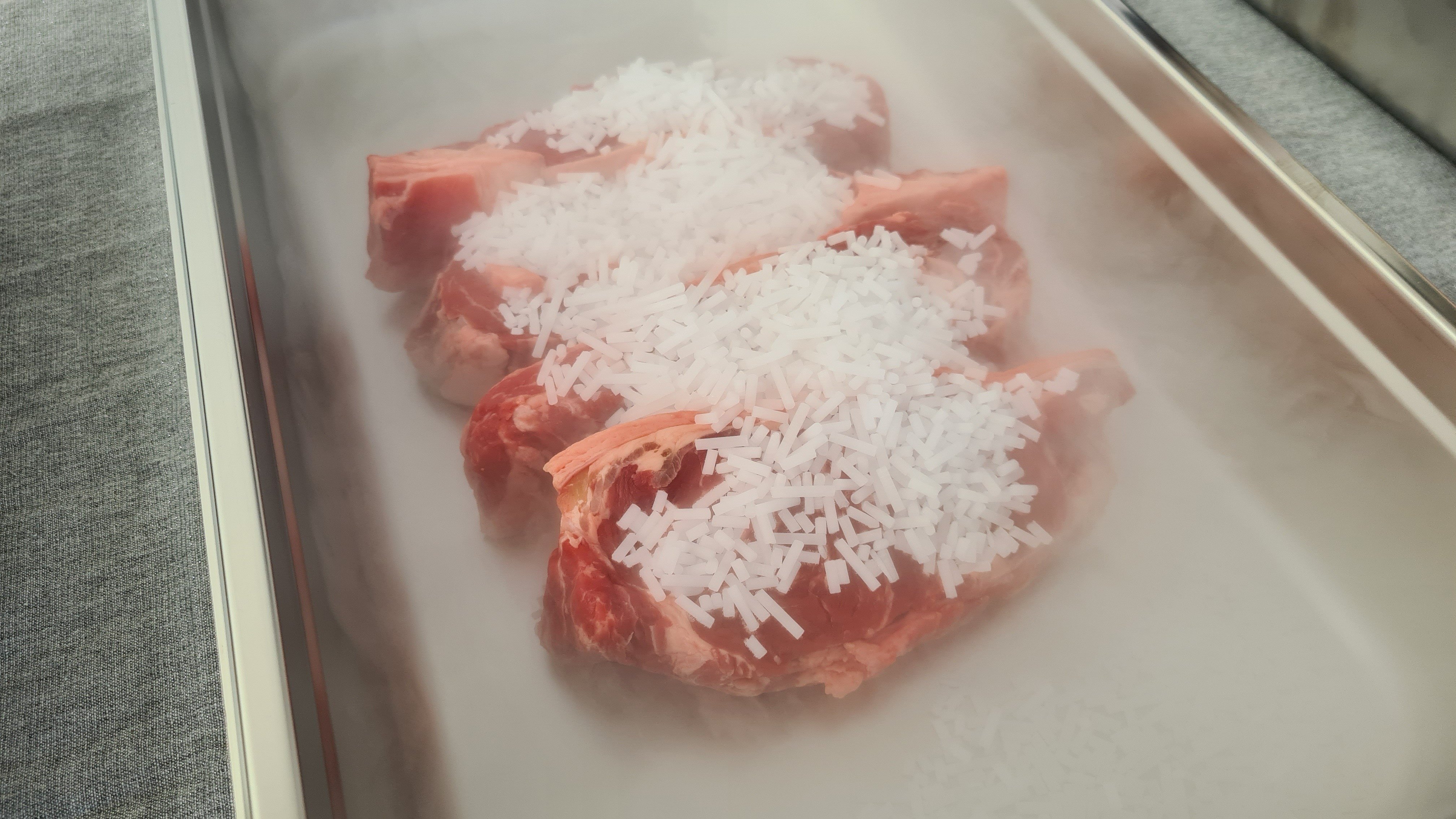
While many associate dry ice with its effective cleaning capabilities, it is highly suitable for suppressing microbial growth and improved temperature control during processing and transportation of meat products.
Dry Ice Properties Favorable to the Meat Processing Industry:
- Does not introduce moisture
- Sublimates (changes from a solid to a gas) over time, reducing overall weight in transit
- Creates a stable, ultra-cold environment for much longer than other cooling mediums
- Non-toxic, food-safe, tasteless, and odorless
- Consistent temperature control: Since dry ice inherently retains a constant temperature of -109°F (-78.5°C), meat processors can expect a consistent cold temperature within containers to better comply with CCPs
Because of these inherent features, dry ice as a cooling medium provides the following benefits in the processing and transportation of meat products:
- Inhibits microbial growth: In meat processing, dry ice can be mixed directly into the grinding and mixing machines to offset heat generated by friction without adding additional moisture or altering the ratios of the meat product
- Eliminates hot spots: During packaging inside transportation containers, dry ice can be strategically packed in the spaces between meat products to ensure an even 360-degree distribution of temperature control
- Containers become lighter over time: Due to the sublimation process, dry ice loses mass over time, cutting down its weight while in transit; this weight reduction often leads to more fuel efficiency and transportation cost savings
- No effect on meat quality: Since dry ice is non-toxic, food-safe, tasteless, odorless, and leaves no residue, it does not affect the state of meat products when processed or in transit
Review our case study to analyze real-world thermal variance data during multi-market transit.
Producing Dry Ice On-Site vs. Purchasing a Dry Ice Supply
When evaluating dry ice logistics, meat processors must answer two fundamental questions:
- How much dry ice does the facility use on a daily or weekly basis?
- How quickly do we need to deploy it?
While smaller local operations may find it easy to buy from a distributor, commercial facilities running large-scale operations overwhelmingly benefit from producing their own dry ice on-site.
Sourcing Dry Ice from a Distributor
If you have a smaller operation that uses limited amounts of dry ice, sourcing it from distributors (industrial gas companies, independent welding suppliers, and dry ice manufacturers) is a viable option. Factors like availability, local pricing per pound, and timely delivery to your door are affected by market and region. Research into regional supplier reliability is critical to avoiding sudden shortages.
Producing Dry Ice On-site
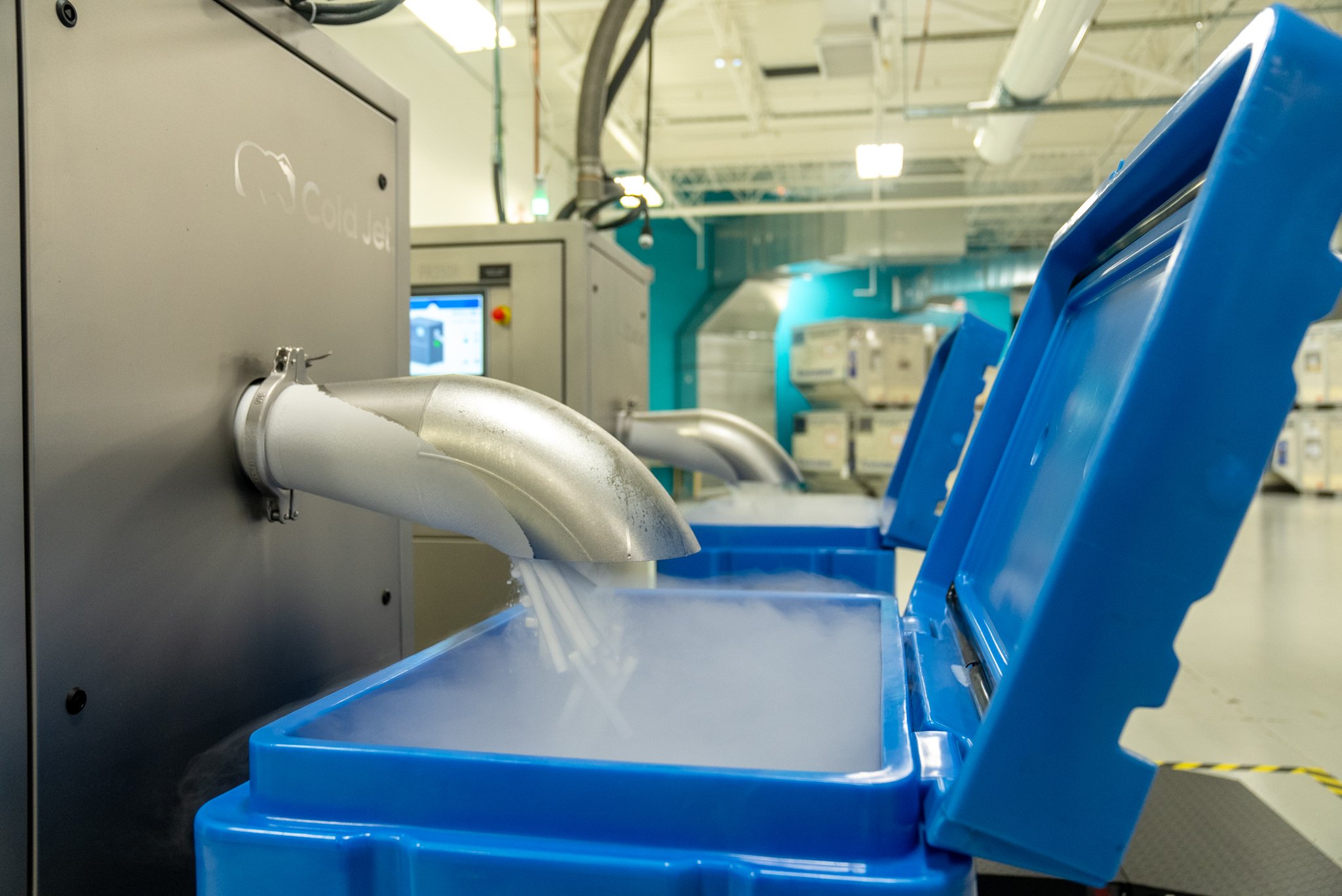
For large-scale operations that intend to use dry ice regularly (as is the case for most meat processors), investment into a dry ice production setup is often the more economical option. Most facilities find that producing their own dry ice on-site pays for itself in a short time when factoring in the elimination of delivery dependencies, cost variability, and possible product loss due to delays.
Benefits of producing dry ice on-site for meat processors include:
- Complete supply control: You are not beholden to fluctuations in availability, pricing, and delivery schedules from providers. You can create dry ice when your production needs demand it.
- Ensure quality: By controlling the dry ice production machine (pelletizer), you ensure your facility only utilizes fresh, high-density dry ice pellets or blocks, which sublimate much slower than aged ones.
- Produce dry ice on demand: By creating dry ice right when you need it, you virtually eliminate idle sublimation (dry ice sitting in containers that still sublimate over time) and use the dry ice to its full potential.
- Lower costs and maximize ROI: Purchasing dry ice from third-party distributors typically subjects processors to a 15% to 30% sublimation loss during transport and storage before it is ever deployed. By transitioning to an on-site pelletizer paired with a CO2 recovery system, facilities can reclaim up to 40% of their liquid CO2 costs, effectively dropping the per-pound cost of cooling media below the market rate of commercial water ice.
- Limit interruptions to production and cold chain: Since you make your own dry ice, you eliminate worry about late deliveries, unplanned dry ice loss, or logistics issues that can halt operations and transportation of products to customers.
Cold Jet Dry Ice Production and CO2 Capture Solutions for Meat Processors
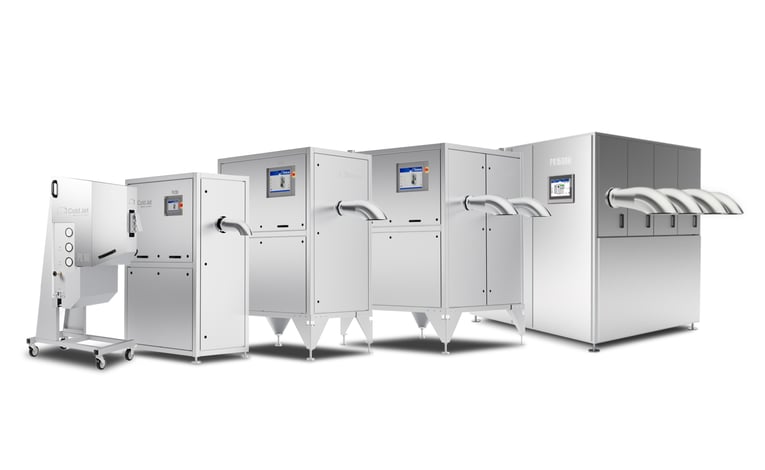
Cold Jet offers several high-efficiency dry ice production machines that can meet your needs when time and supply of dry ice is a critical factor.
Cold Jet Dry Ice Pelletizers (Dry Ice Production Machines)
These machines are the heart of any dry ice production operation, transforming liquid carbon dioxide (LCO2) into high-quality dry ice pellets. Cold Jet offers a line of pelletizers to match different operational needs:
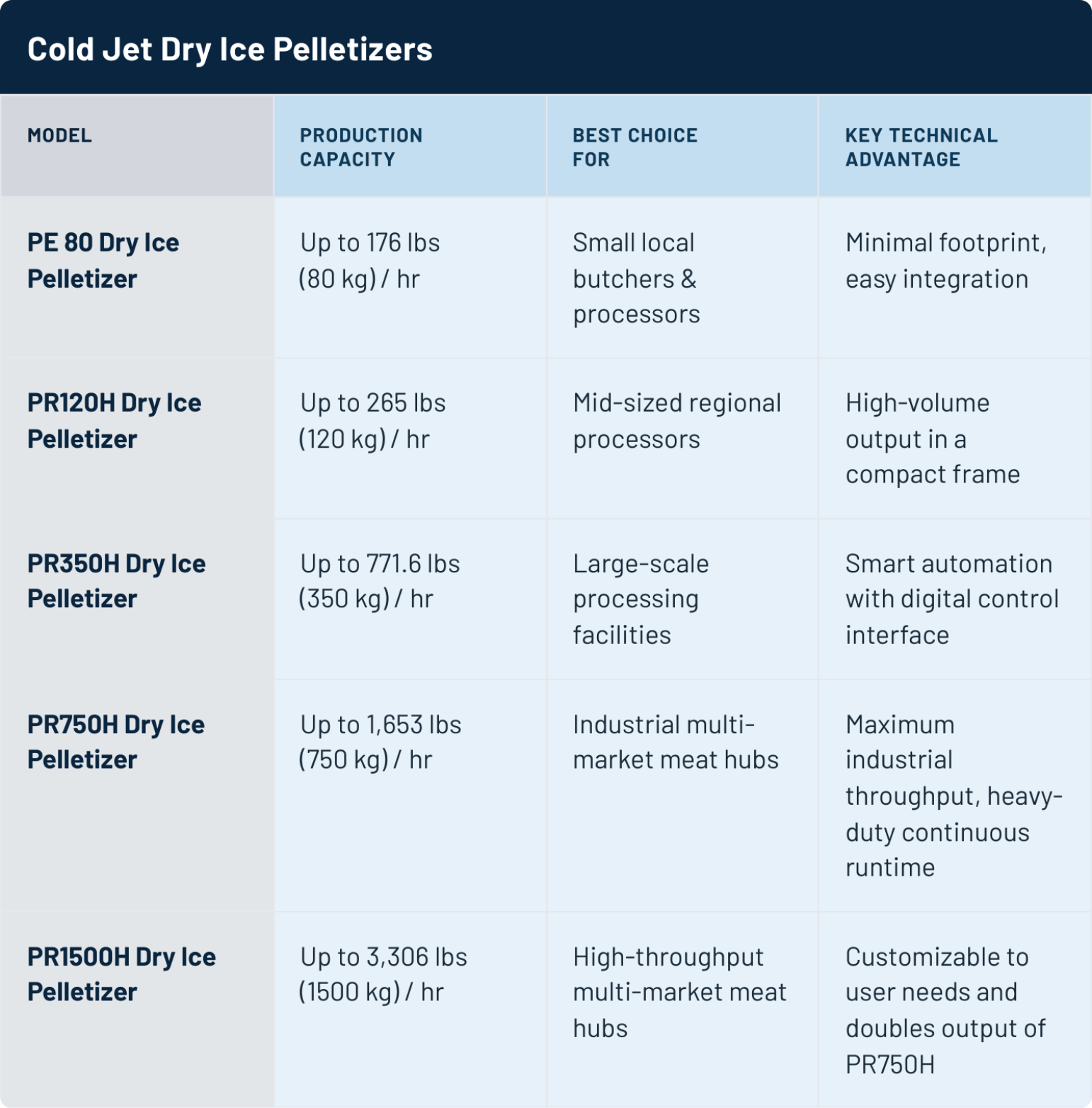
Learn more about each Cold Jet pelletizer below:
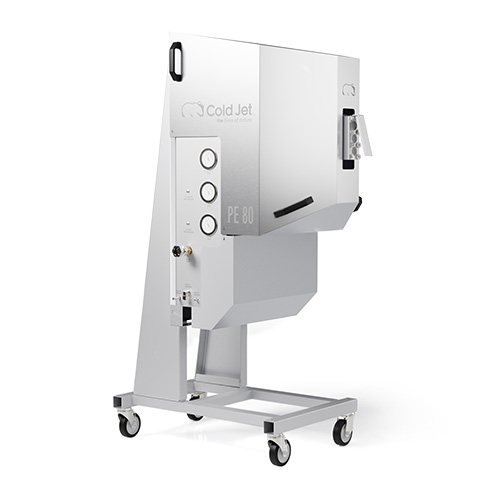
PE 80 Dry Ice Pelletizer
PR120H Dry Ice Pelletizer
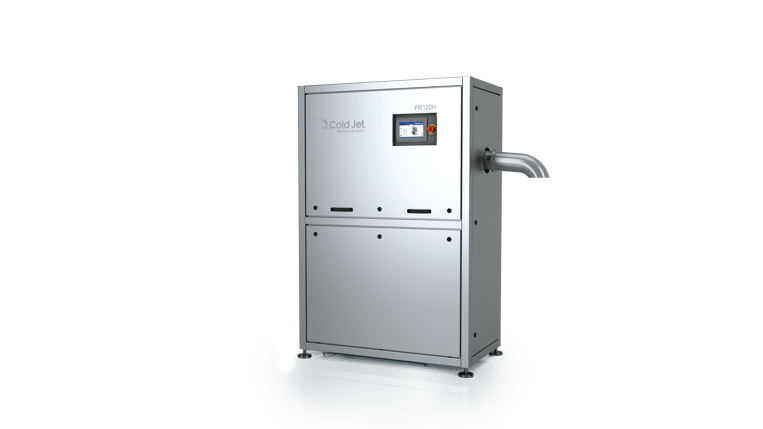
PR350H Dry Ice Pelletizer
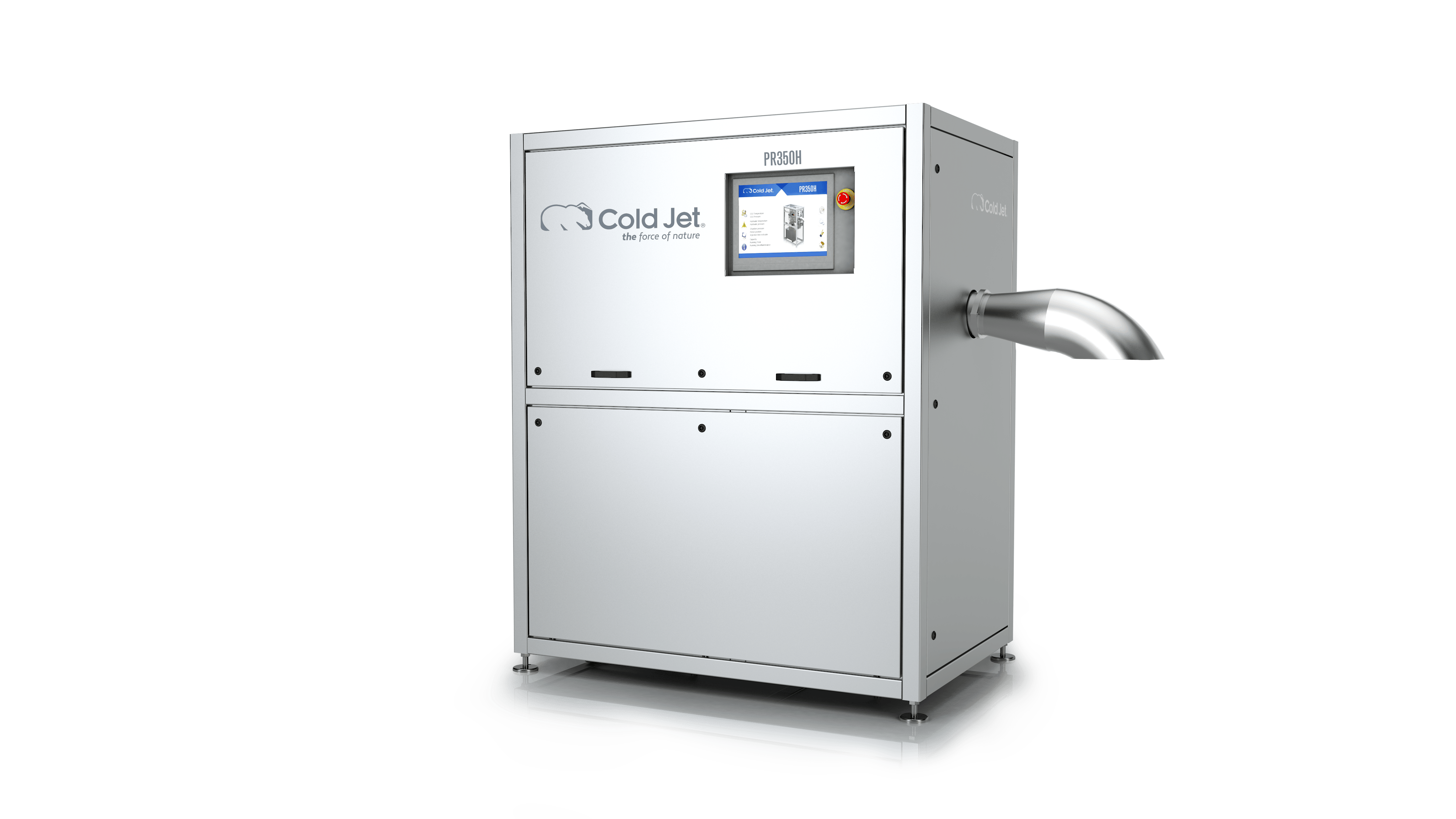
PR750H Dry Ice Pelletizer
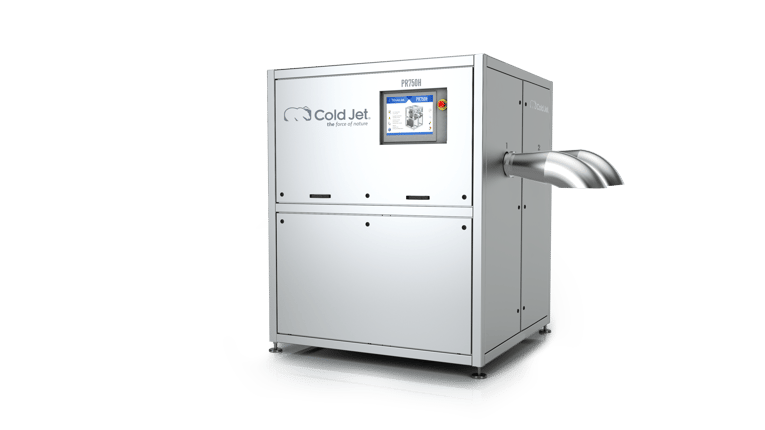
PR1500H Dry Ice Pelletizer
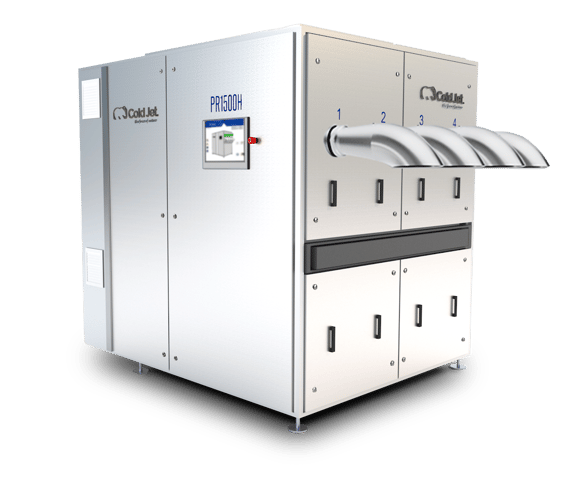
Cold Jet CO2 Recovery Systems
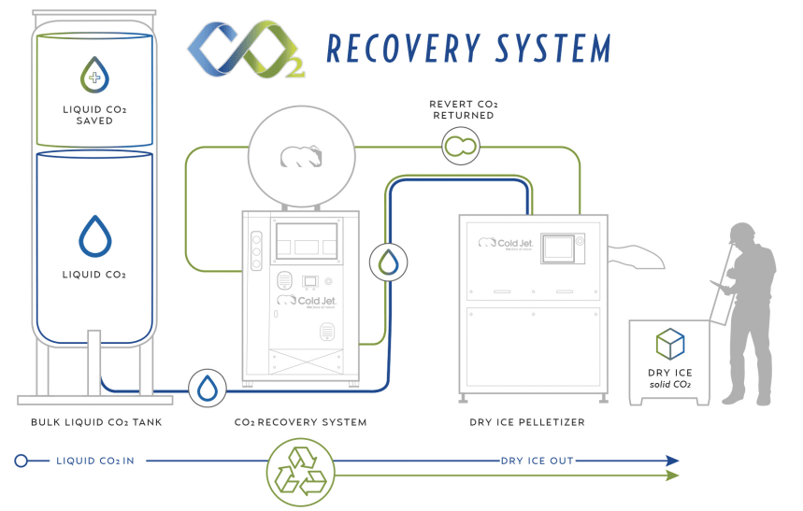
Smart CO2 recovery systems pair with Cold Jet pelletizers to recover CO2 that normally must be vented as a part of the dry ice production process. These ingenious systems can increase dry ice production by up to 70% using the same volume of liquid CO2.
Interested in optimizing your meat processing and transportation logistics with dry ice? Contact Cold Jet to find the right dry ice production solution for you!
