.png) English
EnglishWhat do you need to begin dry ice blasting? We cover everything from blasters to safety tips.
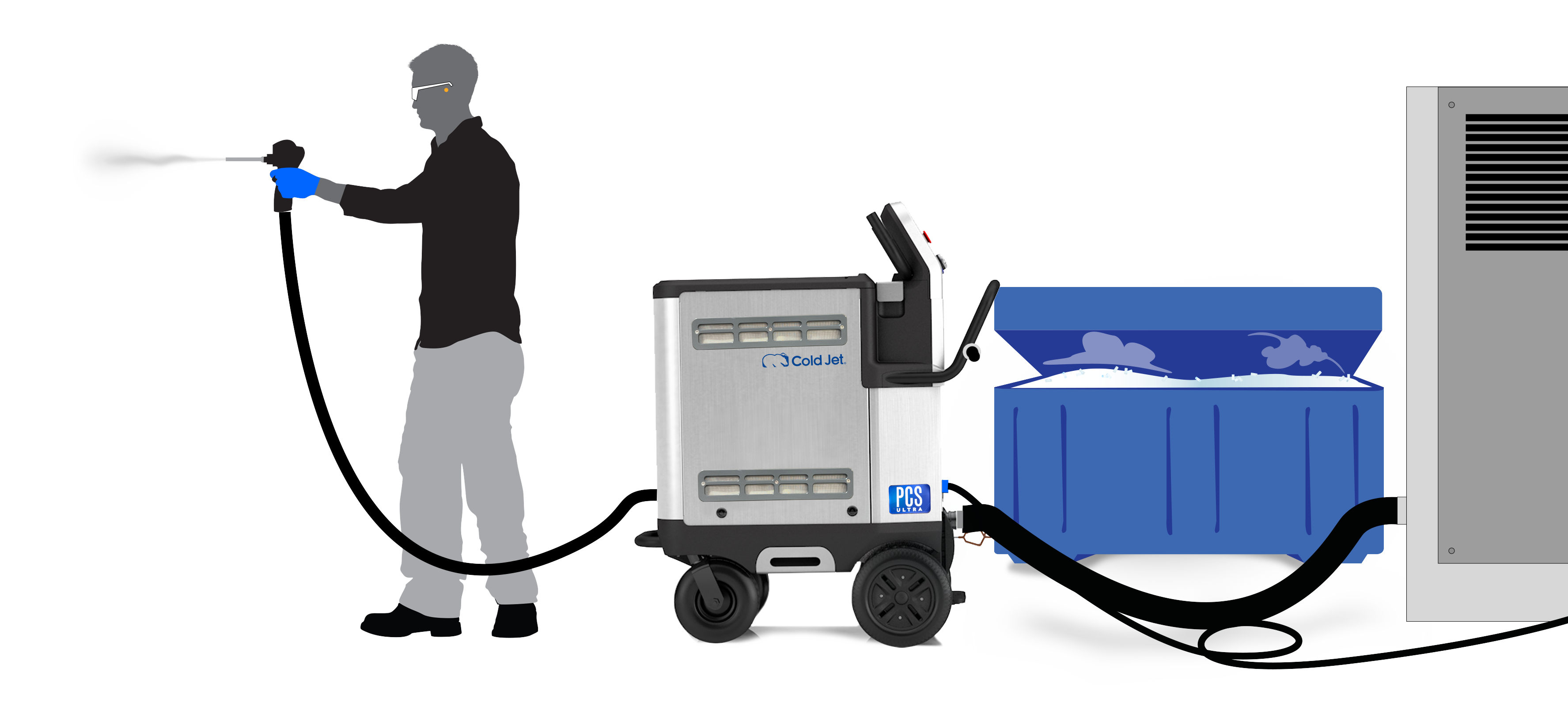
Dry ice blasting requires the right combination of equipment, supplies, and training to get effective results and be efficient in your blasting. This guide will walk you through dry ice blasting requirements, provide further insight, and give you tips for a successful cleaning operation.
You certainly have many questions, which may include:
- What do I need to begin dry ice blasting?
- What kind of equipment do I need?
- What are the startup costs?
The Equipment Needed for Dry Ice Blasting
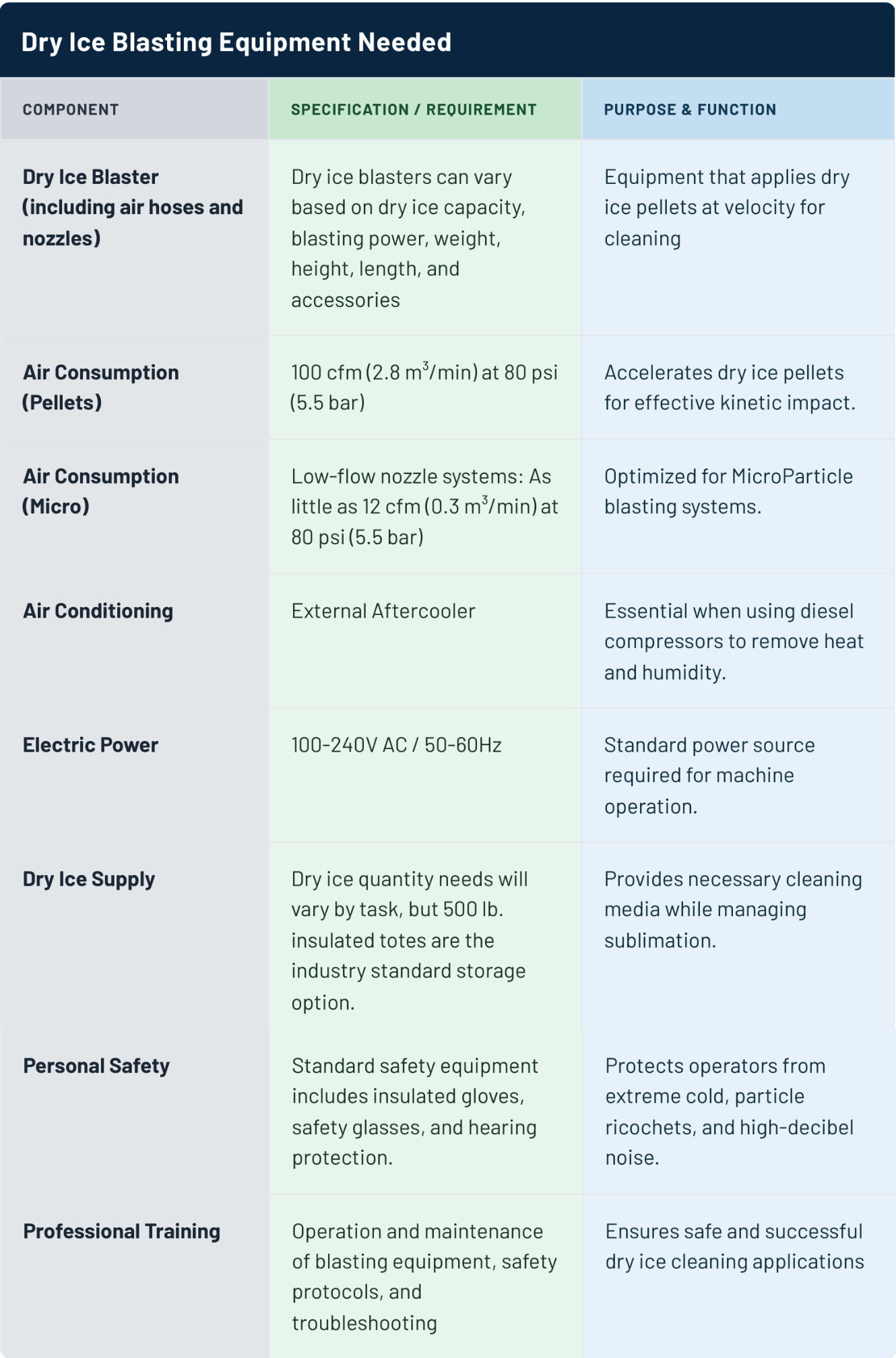
Dry ice blasting requires the following equipment setup:
For an in-depth account for what is needed to begin dry ice blasting, check out our webinar!
1. Dry Ice Blasting Machine with Accessories
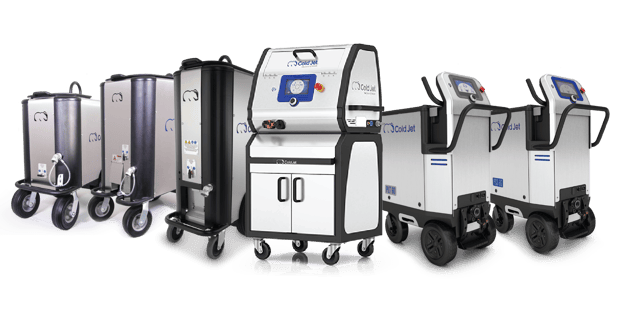
Your industrial cleaning and maintenance journey begins with obtaining a dependable and user-friendly dry ice blasting system that can deliver the performance you need to tackle a multitude of cleaning jobs.
How Much Do Dry Ice Blasters Cost?
While costs vary, professional entry-level dry ice blasters typically start at $17,000 with the most premium machines reaching up to $55,000.
While it may be tempting to purchase a budget dry ice blaster due to price (typically $1000 - $8000), you simply will not get the best performance in cleaning power and versatility as you would with a more premium blasting machine.
Additionally, budget dry ice blasters tend to suffer from issues not usually present in premium machines:
-
Consume dry ice faster
-
Require higher CFM air pressure to function properly
-
Tendency for dry ice freeze ups in the hopper
-
Blockages occur in the feeding mechanism
-
Inconsistent pellet sizing
Cold Jet Premium Dry Ice Blasters
Cold Jet provides a range of dry ice blasting equipment options for various industrial and commercial needs, featuring models with adjustable blast settings, durable stainless steel construction, and robust frameworks to function in extreme environments. Through our proprietary technology, operators can get high performance while avoiding the problems of lower-end blasting machines.
Each Cold Jet system comes fully equipped with the necessary accessories, including:
-
Applicator (a.k.a. the blasting gun) that has built-in controls, plus a light for getting those hard-to-reach places and low-visibility areas
-
Purpose-built blasting hoses designed to transfer air and dry ice pellets at high velocity while retaining sizing
-
Specialized set of nozzles to handle your specific applications, including nozzles designed for high performance and focused areas
2. Compressed Air
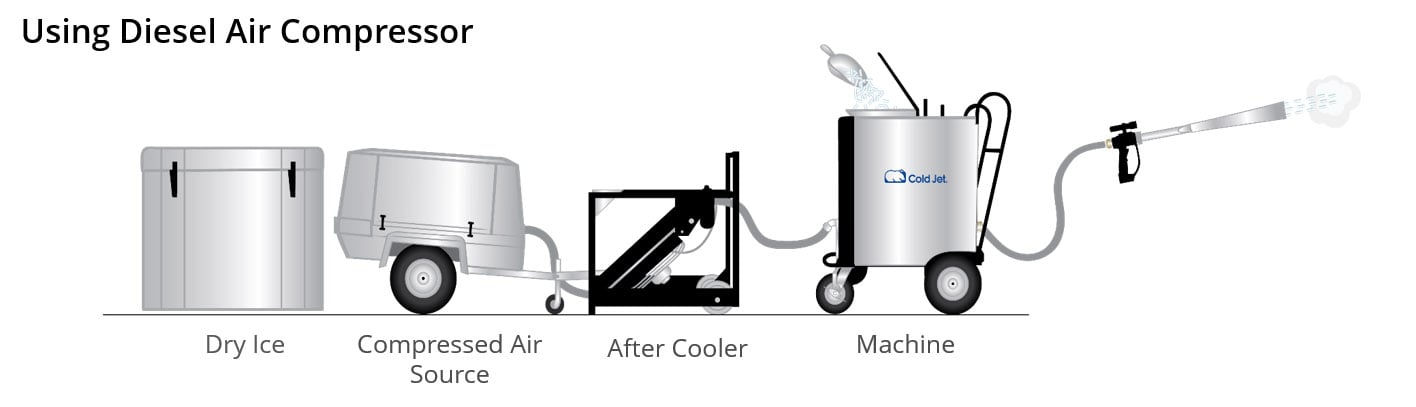
Your option for compressed air depends on your location and cleaning type. You can choose between connecting to an existing stationary installation (plant air) if you have access to it or use a portable air compressor. Air requirements and pricing will vary by system type.
Dry Ice Blast Cleaning Air Pressure Requirements:
- Dry ice pellet blasting systems: 100 cfm (2.8 m³/min) at 80 psi (5.5 bar)
- MicroParticle dry ice blasting systems: 30 cfm (0.9 m³/min) at 80 psi (5.5 bar)
- Low-flow nozzle systems: As little as 12 cfm (0.3 m³/min) at 80 psi (5.5 bar)
Note: Your specific air consumption depends on your cleaning application.
How Much Do Air Compressors Cost?
Pricing for a brand-new mobile air compressor compatible with dry ice blasting requirements ranges from $12,000 to $25,000 based on brand and engine type. However, used air compressors can range from $3,500 to $11,000 based on condition and previous usage.
If you opt to rent an air compressor for dry ice blasting jobs, you can expect the following pricing rates:
- Daily: $150 to $250
- Weekly: $500 to $800
- Monthly: $1,500 to $2,200
3. Aftercooler for Diesel Air Compressors
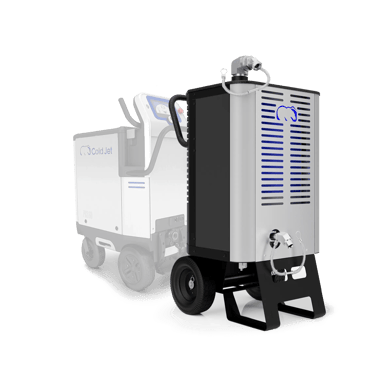
An aftercooler effectively removes heat and moisture from compressed air delivered from diesel compressors to be within 15°F (-9.4°C) of ambient conditions to prevent premature sublimation and ice clumping from condensation.
Diesel compressors can deliver the correct CFM and PSI needed for dry ice blasting, but produce hot, humid air that can compromise dry ice quality and reduce blasting system effectiveness. The hot air causes the dry ice pellets to sublimate as they travel through the hose, often coming out in a smaller size than was intended for the task and reducing cleaning performance.
Aftercoolers comprise of a few basic components: an air-cooled radiator with a 12-volt fan and a moisture trap. More advanced models add additional features such as:
- High-efficiency radiators
- Pneumatic air motors instead of fans
- Heavy-duty frames and wheels for mobility
- Coalescing air filters that remove particles 5 microns down to 0.1 microns
- Desiccant/deliquescent dryers (premium models working with high humidity)
Additional Factors to Consider When Choosing an Aftercooler
- Amount of air needed for cleaning: If the cleaning job is simple and needs low air pressure and CFM, a basic model will be sufficient; however, jobs that require more power should use a higher-tier aftercooler to handle higher air pressures and CFM
- Environmental humidity levels: The surrounding air can also affect the temperature of the compressed air filtering through the aftercooler, so higher-tier models with additional filtering capabilities are preferable in high-humidity climates
How Much Do Aftercoolers Cost?
Depending on the features offered, pricing for a brand-new aftercooler can range from $2,500 to $15,000+. Used aftercoolers can range from $1,500 to $3,500, based on condition and previous usage. Aftercooler rental rates typically run $150-$250 per day.
Learn more about the importance of dry air in dry ice blasting
4. Electric Power Source
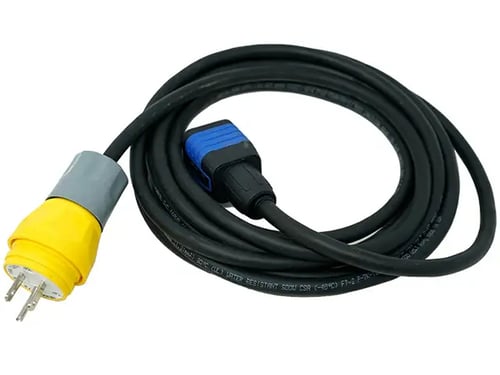
Dry ice blasters typically require a standard 100-240V AC / 50-60Hz electrical power source. Most facilities and buildings will have adequate access to the necessary power supply. However, if a cleaning job is in a more remote area far away from a sufficient power supply, a backup generator capable of the required power output is essential. Additionally, having longer power cords on hand is helpful in case your power source is far removed from the surface or machinery needing cleaning. Remember to keep power cords wrapped and tidy to avoid tripping or pulling accidents.
5. Dry Ice Supply
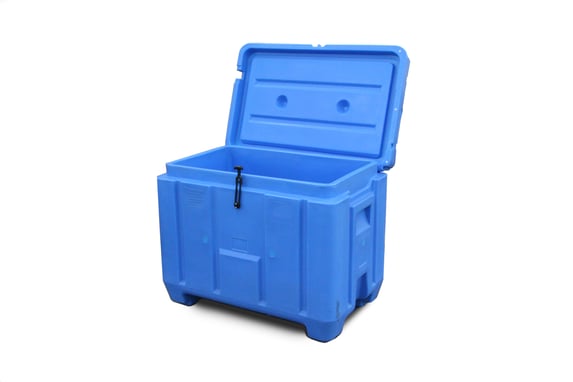
You can purchase dry ice as needed or establish a delivery schedule with a local supplier. Most metropolitan regions have dry ice suppliers that provide coverage within a 100-mile radius. If you need dry ice shipped, standard carriers like UPS, FedEx, etc. can transport it to your location.
The dry ice will come in insulated totes specifically designed to allow the natural sublimation process to occur without CO2 gas building up inside. The minimum amount of dry ice you will need to order will vary by supplier, but suppliers will typically deliver your dry ice in 500 lbs. totes.
Most suppliers will suggest that a little bit of extra dry ice be part of the order due to natural sublimation. This standard practice is to ensure you still receive the right amount by the time it arrives at your doorstep.
Dry ice supplier types include:
- Industrial gas companies
- Welding gas suppliers
- Independent gas companies
- Specialized dry ice manufacturers
How Much Does Dry Ice Cost?
The average cost of dry ice can range from $0.30 to $3 per pound, but many factors affect final pricing. Most often, dry ice for cleaning will need to come as high-density 3mm pellets. Many suppliers will give discounts on larger orders, so a good general rule to follow is that the more dry ice you order, the lower the price per pound is likely to be.
Dry ice suppliers will vary by regional market, so it is recommended to research and contact dry ice suppliers in your area for pricing and availability.
6. Personal Protective Equipment (PPE) Safety Gear
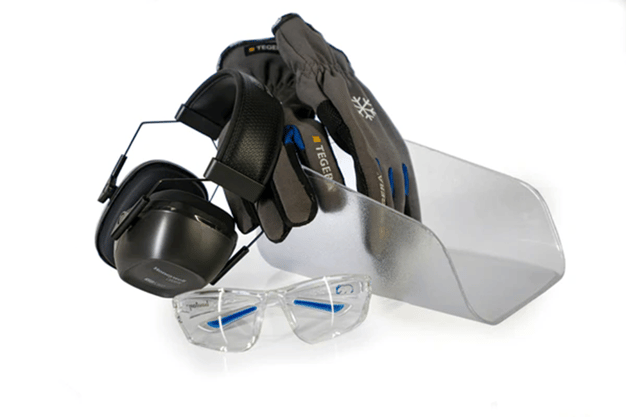
Safety is essential in any dry ice blasting operation and should never be overlooked. While cleaning with dry ice typically does not require the same level of PPE gear that other forms of abrasive blasting does, it is essential to protect one’s eyes, ears, and hands in accordance with OSHA safety guidelines. Operators must always wear OSHA-approved PPE gear, including:
- Insulated gloves
- Safety glasses or face shield
- Over-the-ear or in-ear hearing protection
Learn more safety tips about handling dry ice and CO2
Other Useful Dry Ice Blasting Gear
Beyond your standard safety gear, having these items on hand can enhance your blasting experience:
- Dry ice scoop for quick loading of the dry ice blaster hopper
- Personal CO2 meter to monitor oxygen to carbon dioxide ratio levels in workspace to ensure it does not go beyond 5,000 parts per million (ppm) in an 8-hour workday (very useful when working in tight or enclosed spaces)
- Extra dry ice blasting machine parts and components (nozzles, hoses, power cords, etc.) in case of a malfunction
- Head-mounted lamp for visibility (if your blaster applicator does not include a built-in light)
- Disposable Tyvek suit with a full-face respirator (if you expect to be exposed to hazardous dust or other harmful contaminants that may become airborne)
7. Professional Training for Dry Ice Blasting
While learning to use a dry ice blaster can be a simple task for many people, professional training makes the difference between average and exceptional cleaning operations. Additionally, being trained in a safe environment with a professional can prevent mishaps, accidents, or wasted dry ice during learning. Cold Jet provides a comprehensive training course that covers:
- Machine operation basics
- Effective cleaning techniques
- Essential safety guidelines
Key OSHA Compliance Standards to Follow
When operating dry ice blasting equipment, ensure that you are meeting the following OSHA regulations for safety:
- 29 CFR 1910.134: Use air-purifying respirator equipment if CO2 levels become too high or other air contaminants are present, particularly in enclosed or tight spaces to work safely
- 29 CFR 1910.1200: While carbon dioxide (CO2) in solid form is not considered a hazardous substance by this OSHA standard, the Department of Transportation considers it a Dangerous Good when in transit; due to this designation, proper safety precautions and PPE gear are required when exposed to dry ice
Final Takeaway: Dry Ice Blasting Delivers the Ultimate Cleaning Experience
Dry ice blasting can be a rewarding cleaning experience for anyone with an industrial mess that needs cleaning. Blasting with dry ice is also very useful in the manufacturing industry for deburring and deflashing products. Whatever use you have in store, ensuring you have everything you need to get started in dry ice blasting is the first step to success.
Need help getting started with dry ice blasting and gathering up the necessary gear? Contact Cold Jet to get an expert explanation today!
Have more questions about dry ice blasting? Check out our Definitive Guide to Dry Ice Blasting!